
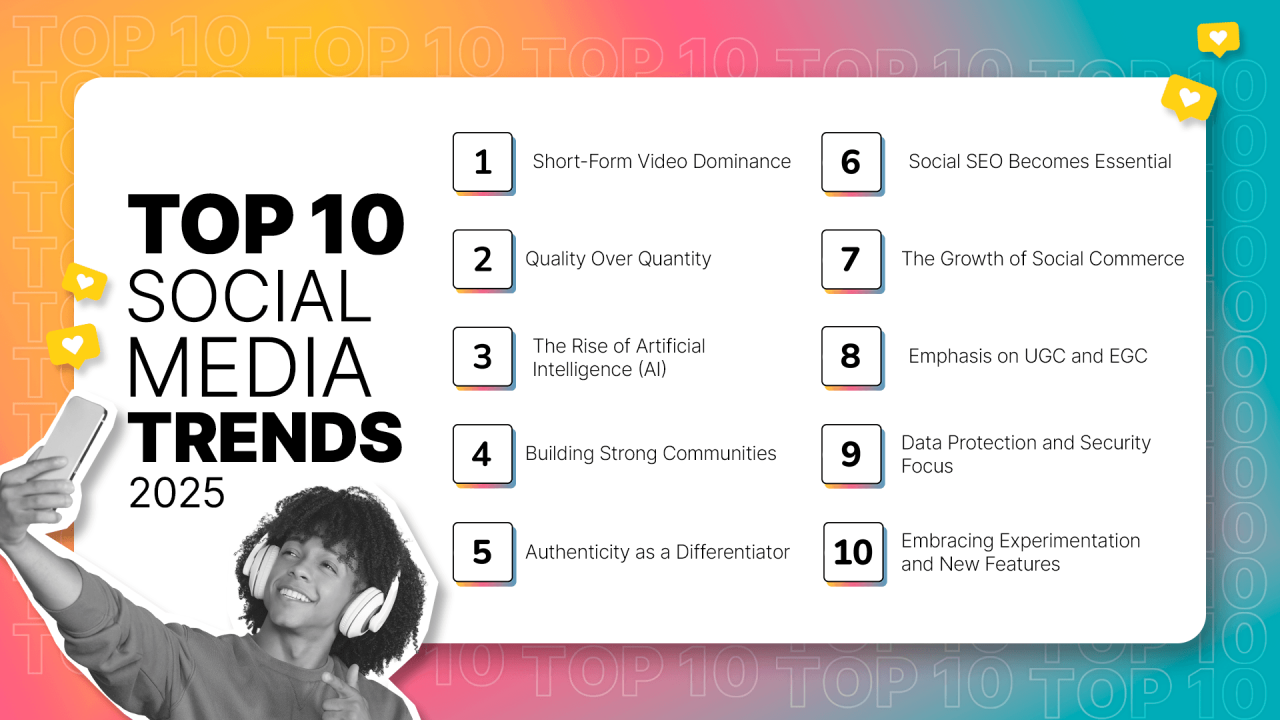
The digital landscape is not merely changing; it is undergoing a seismic, perpetual evolution. Social media, once a simple tool for connecting with friends and family, has matured into a complex ecosystem integral to global commerce, culture, and communication. For businesses, marketers, and content creators, understanding this fluid terrain is no longer a luxury it is an absolute necessity for survival and growth. Relying on yesterday’s strategies is a direct path to obscurity. This comprehensive forecast delves deep into the most potent innovation trends set to redefine the social media sphere, providing a detailed roadmap for navigating the future. We will explore the convergence of artificial intelligence, the immersive potential of the metaverse, the shifting paradigms of creator economies, and the growing imperative of privacy-centric platforms.
The Foundational Shift: From Social Networks to Integrated Digital Experiences
To appreciate the future, we must first contextualize the present. Social platforms are aggressively shedding their singular identities. They are no longer just “social networks” but are transforming into multifaceted “digital experience hubs.” Meta (formerly Facebook) is the prime archetype, pivoting from a social media company to a “metaverse company.” This fundamental shift signifies a broader industry objective: to become an indispensable part of the user’s daily digital life, encompassing work, play, commerce, education, and social interaction all within a single, interconnected environment. The trends we will dissect are the building blocks of this new, integrated reality.
A. The AI Revolution: Hyper-Personalization and Automated Creation
Artificial Intelligence is the most powerful and pervasive force shaping the future of social media. It has moved beyond simple algorithm curation and is now the engine driving creation, interaction, and monetization.
A.1. The Rise of Generative AI and Co-Creation Tools
Platforms are rapidly integrating generative AI to lower the barrier to high-quality content creation. We are witnessing this with TikTok’s AI greenscreen effects, Instagram’s AI-powered background editors, and the proliferation of AI image generators. The future lies in “co-creation,” where users provide a creative direction and AI handles the execution. Imagine:
-
AI Scriptwriters: Generating video concepts and scripts based on a creator’s niche and past performance data.
-
Intelligent Audio Engineering: Automatically cleaning up audio, adding royalty-free background scores that match the video’s mood, and optimizing sound levels.
-
Personalized Thumbnail Generation: AI analyzing a video to create multiple, high-click-through-rate thumbnail options tailored to different audience segments.
A.2. Predictive Analytics and Proactive Strategy
AI’s analytical capabilities are becoming profoundly predictive. Future social media management tools will not just report on what happened but will forecast what will happen. They will be able to:
-
Predict viral content trends weeks before they peak, allowing creators and brands to pivot their content calendar accordingly.
-
Analyze competitor performance and suggest strategic adjustments to capture market share.
-
Forecast the optimal times for posting, not just based on when your audience is online, but when they are most likely to be in a “discovery” or “purchasing” mindset.
A.3. The Next Generation of Chatbots and Conversational Commerce
The primitive chatbots of the past are evolving into sophisticated conversational AI agents. Integrated directly into social platforms like WhatsApp, Instagram DMs, and Facebook Messenger, these agents will handle the entire customer journey. They will be capable of:
-
Providing hyper-personalized product recommendations based on a user’s profile, past interactions, and even the sentiment of their messages.
-
Processing payments securely within the chat interface without redirecting to an external site.
-
Managing post-purchase support, including tracking deliveries and handling returns, creating a seamless, end-to-end commerce experience.
B. The Immersive Frontier: AR, VR, and the Metaverse
The concept of the metaverse has sparked both excitement and skepticism. However, its underlying technologies Augmented Reality (AR) and Virtual Reality (VR) are already creating tangible opportunities on social platforms.
B.1. Augmented Reality as a Mainstream Utility
AR is set to move beyond playful filters and become a core utility for users and businesses. Its applications will expand dramatically:
-
Virtual Try-Ons and Previews: From makeup and sunglasses to furniture and home decor, AR will become the standard for online shopping, drastically reducing return rates and increasing consumer confidence. Platforms like Instagram and Pinterest are heavily investing in these “shoppable AR” experiences.
-
Interactive Learning and Tutorials: A user learning to change a car tire could point their phone at their car and see an AR overlay highlighting each bolt and step. A cooking page could offer an AR filter that visually demonstrates a complex chopping technique over the user’s own countertop.
-
Location-Based AR Experiences: Brands will create geo-filtered AR games, scavenger hunts, and art installations in specific cities or at events, driving real-world foot traffic and fostering community engagement.
B.2. The Maturing Social Virtual Reality Landscape
While the full vision of a unified metaverse is years away, social VR platforms like Meta’s Horizon Worlds, VRChat, and emerging contenders are refining the experience. The future of social VR includes:
-
Virtual Events and Conferences: Beyond simple webinars, these will be fully immersive experiences where attendees, represented by their avatars, can network in virtual lounges, visit digital booths, and interact with products in 3D.
-
Spatial Audio and Non-Verbal Cues: Advancements in spatial audio (hearing conversations from the direction of the avatar) and avatar expressiveness (tracking eye and hand movements) will make digital interactions feel startlingly human and natural.
-
Creator-Led Virtual Economies: Creators will not just build worlds but will design and sell virtual goods clothing for avatars, digital art for virtual homes, unique animations creating new, lucrative revenue streams.
C. The Creator Economy 2.0: Diversification and Platform Agnosticism
The creator economy is booming, but it is also maturing. Creators are becoming savvy media entrepreneurs, and the platforms are being forced to adapt to their needs.
C.1. The Critical Shift to Multi-Platform Presence
The era of building an empire on a single platform is over. Algorithm changes, sudden policy updates, and shadowbanning pose existential risks. The dominant strategy for sustainable success is becoming “platform agnostic.” This involves:
-
Using short-form video platforms (TikTok, Reels, Shorts) as top-of-funnel discovery engines to build an audience.
-
Directing that audience to a more owned and controlled environment like a Discord community or an email newsletter.
-
Leveraging long-form platforms like YouTube and podcasts for deeper content and community building.
-
Utilizing Twitter (X) or LinkedIn for real-time engagement and thought leadership.
C.2. Sophisticated Monetization Beyond Ad Revenue
While platform payouts (like YouTube’s Partner Program or TikTok’s Creator Fund) are helpful, they are often unreliable. Future-focused creators are diversifying their income sources:
-
Brand Partnerships and Affiliate Marketing: Evolving from one-off sponsored posts to long-term ambassador roles with integrated affiliate links, providing a more stable and authentic revenue stream.
-
Selling Digital Products and Services: This includes everything from presets and e-books to online courses and exclusive research reports, leveraging a creator’s expertise directly.
-
Subscription Models and Exclusive Content: Platforms like Patreon, Substack, and even integrated tools like Instagram Subscriptions allow creators to build a recurring revenue model by offering premium content, community access, and direct interaction to their most dedicated fans.
C.3. The Emergence of Niche and Micro-Influencer Dominance
The allure of the mega-influencer is waning for many brands. The future belongs to nano and micro-influencers who boast highly engaged, niche communities. Their higher engagement rates and perceived authenticity often lead to a far better return on investment. Brands will increasingly use AI-driven tools to identify and manage campaigns with hundreds of micro-influencers simultaneously, a strategy known as “influencer scaling.”
D. The Audio-First Resurgence: The Power of Sonic Identity
The podcasting boom was just the beginning. Audio is reclaiming its throne as a primary medium for content consumption and community building.
D.1. Social Audio Platforms and Live Chat Rooms
The success of Clubhouse demonstrated a latent demand for live, audio-based conversation. While standalone apps may fluctuate, the feature of social audio is being baked into major platforms. Twitter Spaces and LinkedIn Live Audio Events are examples of this. These platforms offer:
-
Authentic, Unfiltered Engagement: The spontaneity of live audio fosters a sense of intimacy and connection that polished video content often lacks.
-
Thought Leadership and Community Q&A: Experts can host “ask me anything” sessions, and brands can conduct real-time focus groups with their most loyal customers.
-
Networking Opportunities: They serve as virtual networking events, allowing people to connect based on shared interests in a more dynamic way than text-based forums.
D.2. Sonic Branding and the Importance of Audio Logos
In a crowded feed, visual identity is not enough. Brands and creators will invest heavily in developing a “sonic identity.” This includes a short, recognizable audio logo (like Intel’s famous bong) that can be used at the beginning of videos, a curated set of signature sounds for Stories and Reels, and a consistent, brand-aligned voice for their video narrations. This auditory consistency builds brand recognition even when a user is scrolling with their sound on.
E. The Trust Imperative: Privacy, Transparency, and Decentralization
A series of data scandals and growing user awareness about data exploitation have created a powerful counter-trend: the demand for privacy and transparency.
E.1. The Growth of Decentralized Social Networks (DeSo)
Platforms like Mastodon, built on open-source protocols, and projects leveraging blockchain technology (like the DeSoc movement) offer a compelling alternative. Their core principles include:
-
User Data Ownership: You own your content and your social graph (your list of connections), not the platform.
-
Censorship Resistance: Moderation is handled by the community or individual server rules, not a centralized corporate entity.
-
Algorithmic Transparency: The rules that determine what content you see are often open for inspection and modification.
While still in their early stages, these platforms represent a significant philosophical shift and will attract users and creators disillusioned with the traditional model.
E.2. Ephemeral Content and Enhanced Privacy Controls
The popularity of “disappearing” content on Stories was the first wave. The next wave involves giving users finer-grained control over their data and audience. This includes features like:
-
Close Friends Lists and Exclusive Groups: Encouraging more genuine sharing within smaller, trusted circles.
-
Clearer Data Usage Policies: Platforms will be forced to offer simpler, more understandable explanations of how user data is collected and used.
-
Opt-In Data Sharing: Moving away from the opt-out model to one where users actively choose to share their data for personalized ads and content.
F. The Seamless Integration of Social Commerce
Social commerce is evolving from a simple “link in bio” to a fully integrated, frictionless shopping experience.
F.1. Shoppable Video and Live Stream Shopping
Pioneered in China, live stream shopping is set to explode in Western markets. Platforms are building native tools for creators and brands to tag products directly in live videos and on-demand content. Viewers can purchase items without ever leaving the app, turning passive entertainment into impulsive purchasing. This creates a powerful synergy between entertainment, social proof, and commerce.

F.2. In-App Checkout and Social Wallets
The final hurdle for social commerce is the checkout process. Redirecting to an external website causes a significant drop-off. The future lies in perfecting the in-app checkout, with saved payment information and streamlined processes. Furthermore, the concept of a “social wallet” a single, secure digital wallet that holds your payment info, loyalty points, and even NFTs across multiple platforms could become a reality, further reducing transactional friction.
Conclusion: Navigating the Converging Currents of Change
The future of social media is not defined by a single, linear path. It is a complex tapestry woven from the threads of artificial intelligence, immersive technology, creator empowerment, audio innovation, and a renewed focus on trust. The most successful individuals, brands, and marketers will be those who can adeptly navigate these converging currents.
They will be the ones who leverage AI as a creative partner, not just an analytical tool. They will experiment with AR and VR to create memorable experiences. They will build resilient, multi-platform communities and diversify their revenue streams. They will understand the power of sound and the non-negotiable value of user trust. In this dynamic new era, agility, authenticity, and a willingness to embrace continuous learning are the ultimate currencies. The social media landscape of tomorrow is being built today by those who are bold enough to forecast, adapt, and innovate.