We live in an age defined by a relentless and intoxicating pursuit of the new. Each year, smartphones become exponentially more powerful, software grows more intuitive, and breakthroughs in fields like artificial intelligence and biotechnology promise to reshape the very fabric of human existence. This narrative of progress is intoxicating, marketed to us with sleek keynotes and visionary promises of a frictionless, connected, and more efficient future. Innovation, we are told, is an unalloyed good the engine of economic growth and the key to solving humanity’s most pressing challenges.
However, this glittering facade obscures a more complex and often darker reality. For every disruptive app, every smart device, and every algorithmic leap forward, there is a shadow a hidden cost that is seldom featured in the marketing brochures. These costs are not measured in dollars and cents on a price tag but are extracted from our privacy, our psychological well-being, our environment, and the very structure of our society. This article delves deep beneath the surface of technological advancement to explore the profound, often unintended consequences that we, as individuals and as a global community, are quietly paying.
A. The Data Dilemma: When Free Comes at the Price of Your Privacy
The most pervasive business model of the digital age is the “free” service. We enthusiastically use search engines, social media platforms, messaging apps, and cloud storage without spending a penny. But as the old adage goes, if you are not paying for the product, you are the product. The true currency of this economy is personal data.
A. The Architecture of Surveillance Capitalism
Modern technology companies have perfected a system often termed “surveillance capitalism.” Their primary goal is to harvest vast quantities of behavioral data your likes, shares, search queries, location history, time spent on a post, and even your mouse movements to create incredibly detailed digital profiles. These profiles are not merely used to serve you targeted ads; they are predictive models designed to influence and modify your behavior for commercial or even political gain. The hidden cost is the gradual, often imperceptible, erosion of personal autonomy. Our choices, from what we buy to how we vote, are increasingly shaped by algorithms designed to maximize engagement and profit, not our own best interests.
B. The Illusion of Consent and Digital Fatigue
How many of us have genuinely read the Terms of Service or Privacy Policy of the apps we use? These documents are intentionally lengthy and complex, creating an illusion of consent where none truly exists. We click “Agree” to access a service, unwittingly signing away rights to our personal information. This constant, low-grade awareness of being monitored of being a data point in a massive digital experiment contributes to a modern malaise known as digital fatigue. It’s a psychological toll, a feeling of vulnerability and powerlessness in the face of opaque corporate data practices.
C. The Security Paradox and the Permanence of Digital Footprints
The very data that companies collect to “improve user experience” becomes a tantalizing target for malicious actors. Massive data breaches are now a regular feature of the news cycle, exposing the emails, passwords, financial information, and social security numbers of millions. The hidden cost here is perpetual risk. Our digital identities are perpetually vulnerable, and once data is leaked, it is nearly impossible to retrieve. Furthermore, the digital footprints we leave are permanent. A thoughtless post from a decade ago, a controversial comment, or even private messages can be resurrected, taken out of context, and used to cause personal or professional harm, creating a society where forgiveness and personal growth are stifled by the unforgiving memory of the internet.
B. The Cycle of Consumption: Planned Obsolescence and the Electronic Graveyard
The breakneck speed of innovation creates a culture of relentless consumption. To maintain growth, the tech industry has engineered a system that encourages us to replace our devices with newer models with alarming frequency. This cycle has devastating consequences for our planet and exploits economic inequalities.
A. The Deliberate Design Flaw: Planned Obsolescence
Planned obsolescence is a dirty secret of the manufacturing world. It comes in several forms:
-
Software Obsolescence: Older devices are deliberately slowed down or denied critical software updates, a practice that has led to major lawsuits against tech giants. This “planned software death” renders perfectly functional hardware frustratingly slow or insecure.
-
Hardware Obsolescence: Devices are designed to be difficult or impossible to repair. Proprietary screws, glued-in batteries, and a lack of available spare parts make user repairs a nightmare. Furthermore, manufacturers often stop supplying parts, making even professional repair uneconomical.
-
Psychological Obsolescence: Aggressive marketing campaigns create a perceived need for the latest model, even if the incremental improvements are minimal. The new camera is slightly better, the processor is marginally faster, and this is sold as a necessity, fueling a culture of desire and dissatisfaction.
B. The Mounting Tide of E-Waste
The direct consequence of this consumption cycle is a global tsunami of electronic waste, or e-waste. When we discard our old smartphones, laptops, tablets, and smart gadgets, they do not simply vanish. E-waste is now the fastest-growing waste stream in the world. This discarded technology is a toxic cocktail of heavy metals like lead, mercury, and cadmium, along with hazardous chemicals like brominated flame retardants. When improperly disposed of in landfills, these toxins leach into the soil and groundwater, poisoning ecosystems and the communities that live nearby. The hidden cost of our upgraded device is the contamination of the planet’s life-support systems.
C. The Human Cost of “Recycling”
A significant portion of the world’s e-waste is shipped from wealthy nations to developing countries under the guise of recycling. However, in places like Agbogbloshie in Ghana or Guiyu in China, this “recycling” is often done by hand in informal scrapyards. Workers, including children, use primitive methods like open-air burning to extract valuable metals such as copper and gold. In the process, they are exposed to a cocktail of carcinogenic and toxic fumes, suffering devastating long-term health consequences. The sleek, clean image of innovation is thus built upon a foundation of environmental injustice and human suffering half a world away.
C. The Human Psyche in the Digital Age: The Mental and Social Toll
Technology, particularly social media and always-on connectivity, has fundamentally altered how we think, feel, and interact. The hidden costs here are paid in anxiety, loneliness, and the erosion of our cognitive faculties.
A. The Attention Economy and Cognitive Erosion
Tech platforms are in a fierce battle for our most valuable resource: our attention. Their design employs a sophisticated understanding of human psychology to keep us hooked. Infinite scrolling, push notifications, variable rewards (the “pull-to-refresh” mechanism that works like a slot machine), and autoplay features are all engineered to create compulsive usage patterns. The result is a society with a fragmented attention span. The ability to engage in deep, sustained thought to read a book, to have a long conversation without checking a phone is becoming a rarity. We are training our brains to be distracted, which undermines creativity, critical thinking, and profound learning.
B. The Social Comparison Engine and Mental Health
Social media platforms have become a global stage for curated perfection. Users present highlight reels of their lives vacations, career successes, happy relationships while carefully editing out the mundane struggles and failures. Constant exposure to this distorted reality triggers social comparison, a key driver of anxiety, depression, and feelings of inadequacy, particularly among younger generations. The “fear of missing out” (FOMO) is a direct byproduct of this environment, creating a perpetual state of restless dissatisfaction. The hidden cost is a decline in genuine mental well-being, as we measure our messy, real lives against the airbrushed ideals of our digital peers.
C. The Erosion of Community and the Illusion of Connection
While technology promises to connect us, it can often lead to a deeper sense of isolation. Online interactions, devoid of non-verbal cues like body language and tone of voice, are poorer substitutes for face-to-face communication. We may have hundreds of “friends” online, but the number of people we can confide in during a crisis may be shrinking. The time spent on digital devices is time not spent building deep, meaningful relationships in the physical world. This can lead to a phenomenon known as “loneliness in a crowd,” where one is surrounded by digital chatter but starved of authentic human connection.
D. The Economic Chasm: Automation, Job Displacement, and Inequality
Technological innovation is a powerful driver of economic change, but it is not a tide that lifts all boats equally. In many cases, it exacerbates existing inequalities and creates new forms of economic displacement.
A. The Automation of Labor: Beyond the Factory Floor
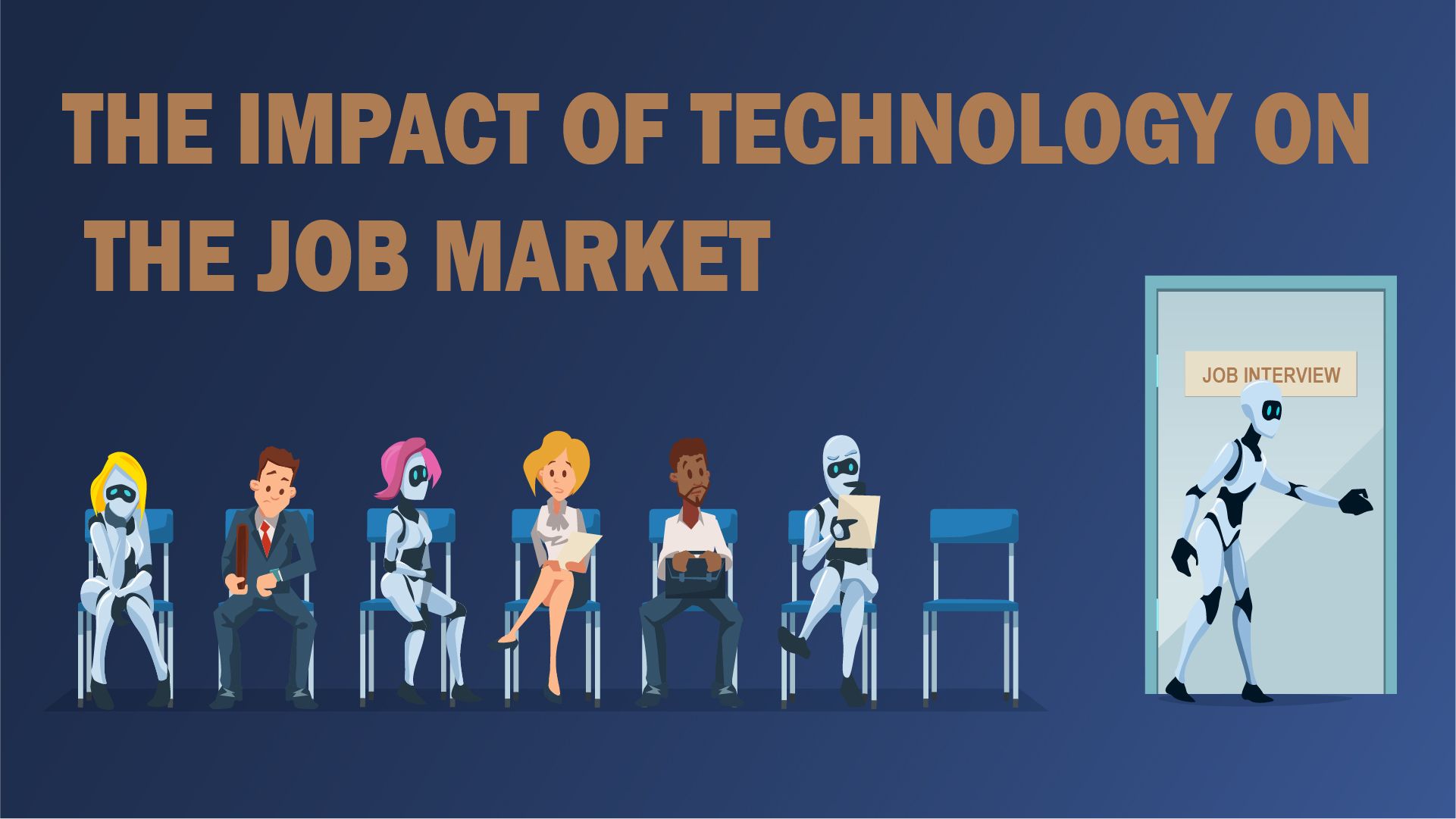
The conversation around automation has moved far beyond manufacturing robots. Artificial intelligence and machine learning are now capable of performing cognitive tasks once thought to be the exclusive domain of humans. Algorithms analyze legal documents, diagnose medical conditions, write news reports, and manage financial portfolios. While this creates efficiency, it also poses a massive threat to white-collar jobs. Truck drivers, accountants, radiologists, and customer service representatives are just a few of the professions facing an uncertain future. The hidden cost is widespread structural unemployment and the devaluation of human skills and expertise that have been built over lifetimes.
B. The Winner-Takes-All Economy
Digital platforms have a natural tendency towards monopolization. A search engine, social network, or e-commerce site becomes more valuable as more people use it, creating a powerful network effect. This leads to a “winner-takes-all” dynamic, where a few mega-corporations capture the vast majority of the market’s value. This concentration of wealth and power stifles competition, reduces consumer choice, and hollows out the small and medium-sized businesses that have traditionally been the backbone of healthy economies. The economic benefits of innovation become concentrated in the hands of a tiny, technologically elite class, widening the gap between the rich and the poor.
C. The Gig Economy and the Precarity of Work
Platforms like Uber, Deliveroo, and TaskRabbit have been lauded for creating flexible work opportunities. However, this “gig economy” often translates to a lack of job security, benefits, and labor protections. Gig workers are typically classified as independent contractors, meaning they have no access to health insurance, paid sick leave, or retirement plans. Their income is unpredictable, and they are subject to the whims of an algorithmic manager that can deactivate them without recourse. The hidden cost of this on-demand convenience is the creation of a new digital precariat a class of workers trapped in a cycle of insecure, low-wage labor.
E. Navigating the Future: Towards a More Ethical and Sustainable Path
Acknowledging these hidden costs is not a call to reject technology or lapse into neo-Luddism. It is, instead, a necessary step towards fostering a more conscious, ethical, and sustainable relationship with innovation. The goal is not to stop progress, but to steer it in a direction that truly serves humanity.
A. Demanding Corporate and Regulatory Accountability
Change must begin at the systemic level. We need robust data protection laws, like the GDPR in Europe, that give individuals true ownership and control over their personal information. Regulations must combat planned obsolescence by enforcing “Right to Repair” laws, forcing manufacturers to make repair guides and spare parts available to consumers and independent repair shops. Governments must also create stringent regulations for e-waste, holding producers responsible for the entire lifecycle of their products and banning the export of hazardous waste to developing nations.
B. Cultivating Personal Digital Mindfulness
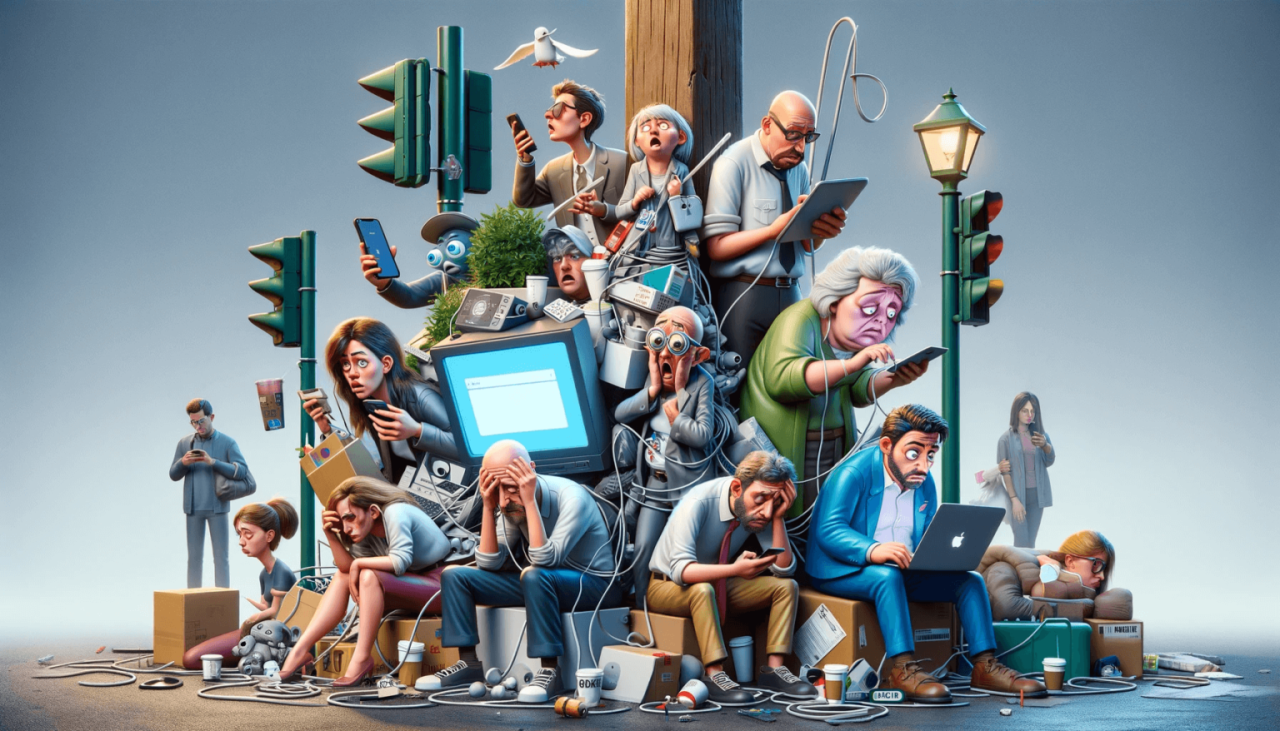
On an individual level, we must become more mindful consumers of technology. This involves:
-
Auditing Your Digital Diet: Regularly review the apps on your phone and the services you use. Delete those that are not providing significant value.
-
Reclaiming Your Attention: Turn off non-essential notifications, schedule specific times to check email and social media, and use website blockers to minimize distractions during work or family time.
-
Prioritizing Privacy: Use privacy-focused search engines and browsers, enable two-factor authentication, and be selective about the information you share online.
-
Choosing Longevity over Novelty: Resist the upgrade cycle. Buy high-quality devices, use them for as long as possible, and seek repair before replacement.
 C. Supporting Ethical and Sustainable Innovation
As consumers, we have power. We can choose to support companies that prioritize ethical design, user privacy, and environmental sustainability. We can patronize Fairphone, which designs modular, repairable smartphones, or support frameworks like “Design for Disassembly.” By valuing products that are built to last and companies that are transparent in their practices, we can collectively shift the market away from exploitative models and towards a more humane future of technology.
Conclusion: The Price of Progress Must Be Paid with Awareness
The hidden costs of innovation are woven into the fabric of our modern world. They are present in the anxiety we feel when separated from our phones, in the mountains of toxic e-waste poisoning distant communities, in the quiet erosion of our privacy, and in the economic anxieties of workers displaced by algorithms. To ignore these costs is to be a passive passenger on a journey we should be actively navigating.
The challenge of the 21st century is not to create the next disruptive technology, but to create a world where technology disrupts cycles of environmental degradation, economic inequality, and psychological manipulation. It requires a new social contract for the digital age one where progress is measured not only in processor speeds and quarterly earnings but in the health of our planet, the strength of our communities, and the integrity of the human spirit. The true innovation we need now is the wisdom to see the full price of our creations and the courage to build a future where progress does not come at the expense of our humanity.